
Kiến Thức
Nệm bông ép tốt không? Ai nên nằm nệm bông ép?
Nệm bông ép trên thị trường thuộc Top các loại nệm tốt giá rẻ nên được nhiều gia đình lựa chọn. Vậy nệm bông ép tốt không khi mà giá thành của nó rẻ hơn so với nhiều loại khác? Làm thế nào để chọn nệm bông ép chất lượng, chính hãng? Cùng theo dõi bài viết!

I. Nệm bông ép là gì?
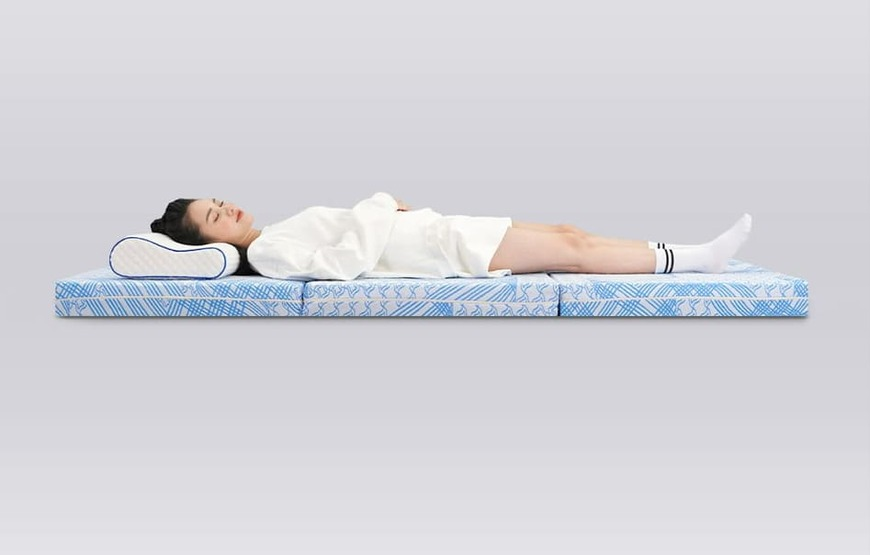
Đệm bông ép có thành phần cấu tạo lõi là các sợi polyester (bông xơ nhân tạo), được tạo ra bằng phương pháp ép cách nhiệt tạo thành khối vững chắc và có độ cứng cao. Do lõi là bông ép nên về cơ bản độ đàn hồi đệm bông ép thấp hơn so với các dòng nệm khác. Nhưng với thiết kế gọn nhẹ, dễ dàng cho việc cất trữ và di chuyển, giá thành lại rẻ nên chúng rất được ưa chuộng.
II. Nệm bông ép tốt không?
Nệm bông ép tốt không? Để tìm câu trả lời chúng ta cùng nhận định những ưu nhược điểm của loại đệm này để cân nhắc và quyết định có nên mua hay không.

1. Ưu điểm của nệm bông ép
Nệm bông ép có nhiều ưu điểm hơn nhiều người nghĩ:
How NoCasinosDeposit Explains No Deposit Bonuses to New Zealand Players
No deposit bonuses have become one of the most discussed promotional mechanics in online gambling, yet they remain widely misunderstood — particularly among players who are new to the format. For New Zealand players entering the online casino space, the terminology alone can be disorienting. Terms like wagering requirements, eligible games, maximum cashout limits, and bonus expiry windows all carry specific meanings that directly affect whether a player can actually withdraw anything from a no deposit offer. Understanding these mechanics in practical terms, rather than in the abstract language of promotional pages, makes a significant difference in how players approach these offers and what they realistically expect from them.
What No Deposit Bonuses Actually Are — and What They Are Not
A no deposit bonus is a promotional credit or free spin allocation that an online casino awards to a player without requiring an initial real-money deposit. The core appeal is straightforward: a player can register an account, claim the bonus, and begin playing without committing any of their own funds. However, this description captures only the surface of how these offers function in practice.
The most important distinction to understand is that no deposit bonuses are not free money in any conventional sense. They are conditional credits governed by a set of terms that determine whether and how any resulting winnings can be converted into withdrawable funds. The wagering requirement — sometimes called a playthrough requirement — is the central condition. It specifies how many times the bonus amount (or in some cases, the bonus plus any winnings) must be wagered before a withdrawal becomes eligible. A NZ$10 no deposit bonus with a 40x wagering requirement means the player must place NZ$400 in total bets before cashing out, using only the funds generated by that bonus.
Wagering requirements in the New Zealand market have historically ranged from 20x on the lower end to 60x or higher on more restrictive offers. The average across licensed offshore casinos accessible to New Zealand players tends to sit around 35x to 45x. These figures matter because they directly determine the mathematical probability of a player successfully converting a no deposit bonus into a real withdrawal. Probability modeling shows that at a 40x wagering requirement on a slot game with a 96% return-to-player rate, the expected value of completing the wagering is negative — meaning that statistically, most players will exhaust the bonus before meeting the threshold. This is not a criticism of the format; it is simply the economic reality that players benefit from understanding before they engage.
Beyond wagering requirements, no deposit bonuses typically carry maximum cashout limits. A casino might award NZ$20 in free credit but cap any winnings at NZ$50 or NZ$100, regardless of how much a player accumulates during their session. This cap is rarely displayed prominently in promotional materials, which is one of the reasons that resources explaining bonus terms in plain language serve a genuine function for the player community. Game restrictions also apply in most cases — bonus funds are typically restricted to certain slot titles or categories, with table games like blackjack and roulette either excluded entirely or contributing at a reduced rate toward wagering requirements.
The New Zealand Regulatory Context and Why It Shapes Bonus Availability
New Zealand’s online gambling landscape operates under a regulatory structure that is distinct from markets like the United Kingdom or Malta. The Gambling Act 2003 is the primary piece of legislation governing gambling in New Zealand, and it does not provide a licensing framework for offshore online casinos. This means that New Zealand players who access international online casinos are doing so in a legal grey area — the activity is not explicitly prohibited for individual players, but the casinos themselves are not licensed by a domestic regulator like the Gambling Commission of Great Britain or the Malta Gaming Authority.
The practical consequence of this structure is that New Zealand players have access to a wide range of offshore-licensed casinos, most holding licenses from jurisdictions such as Malta, Curaçao, Gibraltar, or the Isle of Man. The quality of player protections, bonus transparency, and dispute resolution mechanisms varies considerably depending on which licensing authority oversees a given operator. Curaçao-licensed operators, for example, have historically operated under lighter regulatory oversight compared to MGA-licensed casinos, which follow stricter requirements around bonus term disclosure and responsible gambling tools.
This regulatory patchwork has created a market where New Zealand players face a higher informational burden than players in jurisdictions with comprehensive domestic licensing. A player in the UK benefits from Advertising Standards Authority rules that require bonus terms to be clearly communicated and from the UKGC’s enforcement of fair and transparent terms. New Zealand players do not have equivalent domestic protections, which makes independent information sources more important. Platforms that systematically review and explain bonus conditions — rather than simply listing offers — fill a genuine gap in the information environment that New Zealand players navigate.
The New Zealand government has signaled awareness of the online gambling landscape, with the Department of Internal Affairs conducting reviews of the Gambling Act’s applicability to online play in recent years. Whether comprehensive domestic online casino licensing will emerge in New Zealand remains an open question as of 2024, but the regulatory direction in comparable markets suggests that greater formalization is a plausible medium-term development. Until such a framework exists, players rely on the licensing credentials of offshore operators and on third-party review resources to assess the legitimacy and fairness of offers.
How NoCasinosDeposit Approaches Bonus Explanation for New Zealand Players
The challenge of explaining no deposit bonuses to a New Zealand audience is not simply one of translation — it involves contextualizing offers within the specific regulatory, currency, and market conditions that apply to players in that country. Bonus terms written for a general international audience often omit or obscure details that are particularly relevant to New Zealand players, such as whether the casino accepts New Zealand dollars, what payment methods are available for withdrawals, and whether the offer is actually accessible from a New Zealand IP address.
NoCasinosDeposit addresses this by structuring its explanations around the complete lifecycle of a no deposit bonus — from eligibility and claim process through to wagering completion and withdrawal. This approach reflects an understanding that players who encounter problems with no deposit bonuses most commonly do so not at the point of claiming the offer, but at the point of attempting to withdraw. Missed terms around game restrictions, bonus expiry, or maximum cashout limits are the most frequent sources of frustration, and these are precisely the details that promotional pages tend to present in fine print rather than in accessible language.
The site’s coverage of the New Zealand market takes into account that NZD-denominated accounts are not universally available at offshore casinos, and that currency conversion can affect the effective value of a bonus. A NZ$20 no deposit bonus at a casino that operates in USD or EUR will involve an exchange rate calculation that changes the real value of both the bonus and any applicable cashout limits. These practical details are the kind of information that distinguishes genuinely useful bonus guidance from generic promotional content. The full range of current explanations and offer breakdowns is available at https://no-casinos-deposit.com/, where the New Zealand section organizes information by bonus type and operator licensing jurisdiction.
One aspect of NoCasinosDeposit’s approach that is worth noting is its treatment of wagering requirement mathematics. Rather than presenting a wagering requirement as a simple number, the platform contextualizes it against the return-to-player rates of the games to which it applies. A 30x wagering requirement on a slot with a 94% RTP carries a different expected completion probability than the same requirement applied to a slot with a 97% RTP. This kind of analysis requires combining bonus term data with game-level RTP data — information that is publicly available but rarely synthesized in a way that is accessible to casual players. For New Zealand players who are new to the format, this level of explanation provides a more accurate basis for evaluating whether a given no deposit offer is worth pursuing.
Practical Considerations for New Zealand Players Evaluating No Deposit Offers
When a New Zealand player encounters a no deposit bonus, the evaluation process should begin with several specific questions before any account registration takes place. The first is whether the casino holds a reputable license — MGA, UKGC, Gibraltar Regulatory Authority, and Isle of Man Gambling Supervision Commission are generally considered higher-quality licensing jurisdictions than Curaçao or Panama, though the latter are common among casinos accessible to New Zealand players. License status is verifiable directly through the relevant regulatory authority’s public register.
The second question concerns the full wagering requirement, including whether it applies to the bonus amount alone or to the bonus plus winnings. Some casinos apply the wagering multiplier only to the initial bonus credit, while others apply it to the total balance including any winnings accumulated during play. The latter structure is significantly more restrictive and is sometimes referred to as a “bonus plus winnings” wagering requirement. This distinction is not always clearly labeled in promotional terms, and players who overlook it often find that their cashout eligibility is far more distant than they initially calculated.
The third consideration is the maximum cashout limit and how it interacts with the games available for play. If a casino restricts no deposit bonus play to a specific selection of slots, the player should verify the RTP rates of those titles before beginning. Slots with RTPs below 94% combined with high wagering requirements create conditions where completing the wagering requirement while maintaining a positive balance is statistically unlikely. This is not inherently problematic — players who understand the odds can make an informed choice — but it becomes a source of frustration when the mathematical reality is not disclosed upfront.
Bonus expiry is another frequently overlooked term. No deposit bonuses typically carry an expiry window of between three and thirty days, within which the wagering requirement must be completed. A 40x wagering requirement on a NZ$20 bonus requires NZ$800 in total wagers. For a casual player who sessions for one to two hours per week, completing NZ$800 in wagers within seven days may be genuinely impossible. Understanding the expiry window in relation to personal playing habits is a practical factor that affects whether a bonus is realistically completable.
Verification requirements also deserve attention. Most licensed casinos require identity verification before processing withdrawals, and some require it before bonus funds can be activated or used. This is a standard Know Your Customer (KYC) process that complies with anti-money laundering regulations. New Zealand players should be prepared to provide proof of identity (typically a passport or driver’s license) and proof of address (a utility bill or bank statement dated within three months) as part of the withdrawal process. Delays in KYC verification are a common source of friction in the bonus-to-withdrawal pipeline, particularly for players who have not completed this process before attempting to cash out.
Payment method restrictions are a final practical consideration. Some casinos exclude winnings derived from no deposit bonuses from withdrawal via certain payment methods, or apply different processing times to bonus-related withdrawals. New Zealand players using e-wallets like PayPal, Skrill, or Neteller should verify whether these methods are available for bonus withdrawals specifically, as some operators restrict bonus cashouts to bank transfer only. This can affect both the speed of the withdrawal and any applicable transaction fees.
The cumulative picture that emerges from these considerations is that no deposit bonuses are genuinely useful tools for exploring a casino platform without financial commitment, but they function best when approached with a clear understanding of their terms. The gap between a no deposit bonus as it appears in promotional materials and as it functions in practice is significant, and that gap is where most player dissatisfaction originates. Resources that systematically bridge this gap — explaining not just what a bonus offers but what it requires and what the realistic outcomes are — provide a practical service to players who are navigating an information-heavy environment without the benefit of domestic regulatory protections. For New Zealand players in particular, where the offshore nature of the market places the informational burden squarely on the individual, this kind of structured, term-level explanation represents a meaningful contribution to informed decision-making.
- Đàn hồi thấp nên rất thích hợp với những ai thích ngủ trên bề mặt phẳng, ít trũng nên hạn chế đau lưng khi ngủ dậy.
- Các bông xơ được ép cách nhiệt nên độ bền cao.
- Sợi Polyester không gây dị ứng hay kích ứng da, an toàn cho người sử dụng.
- Thoáng khí, không gây bí bách, hút ẩm tốt, rất phù hợp với kiểu khí hậu nóng ẩm của nước ta.
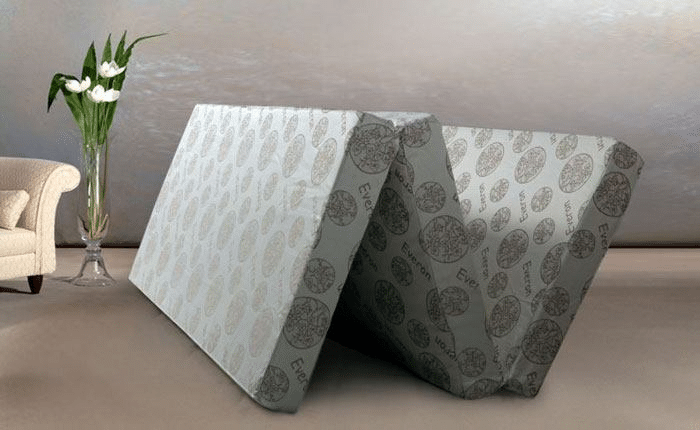
- Thiết kế ba mảnh dễ gấp gọn, trọng lượng vừa phải nên dễ dàng cất giữ và di chuyển.
- Dễ dàng vệ sinh, làm sạch.
- Giá thành rẻ hơn nhiều so với các loại nệm như nệm cao su và nệm lò xo, phù hợp với điều kiện kinh tế của số đông người tiêu dùng.
2. Nhược điểm của nệm bông ép
Nệm bông ép có một số nhược điểm như sau:
- Sau một thời gian sử dụng dễ bị biến dạng, sụt lún, bị xẹp, khi nằm gây võng lưng.
- Độ đàn hồi thấp nên khả năng nâng đỡ cơ thể vẫn chưa được tối ưu, nhất là so với nệm cao su, nệm lò xo có độ đàn hồi vừa phải, êm ái.
- Dễ bị ám mùi.
- Tuổi thọ chỉ 4,5 năm.
- Dễ bị xẹp lún và khó khôi phục lại trạng thái ban đầu khi ngâm nước vệ sinh.
- Dễ sản xuất nên dễ bị làm nhái nên tình trạng hàng giả, kém chất lượng khá nhiều.
Chúng ta không nên quá khắt khe khi nhận định nệm bông ép tốt không bởi thực tế bất kỳ dòng nệm nào cũng có những ưu nhược điểm riêng. Nệm bông ép mặc dù có nhiều nhược điểm hơn những dòng nệm cao cấp đắt tiền khác nhưng chúng ta không thể chối bỏ những ưu điểm của nó. Thậm chí nó có những ưu điểm đặc trưng mà dòng nệm khác không có. Nhất là khi bạn mua được hàng chính hãng, chất lượng tương xứng với giá thành bỏ ra và phù hợp với đối tượng, mục đích sử dụng thì nệm bông ép thật sự đáng để lựa chọn.
III. Ai nên nằm nệm bông ép?
Để tìm câu trả lời cho câu hỏi nệm bông ép tốt không thì chúng ta cũng cần xem xét ai nên nằm đệm bông ép. Với đặc trưng độ cứng cao, độ đàn hồi thấp nệm bông ép rất phù hợp sử dụng cho những đối tượng sau đây.

1. Người có thói quen thích nằm đệm cứng
Nếu bạn có thói quen ngủ ở các mặt phẳng cứng tương tự như giường, phản, sàn, không thích cảm giác bồng bềnh, lún sâu khi nằm lên nệm thì đệm bông ép rất phù hợp.Điều này là đương nhiên, bởi nệm bông ép có bề mặt phẳng và ổn định, thuộc dòng nệm cứng, đàn hồi thấp nên nó hoàn toàn đáp ứng được thói quen của những người thích nằm nệm cứng.
2. Người gặp vấn đề xương khớp, người cao tuổi
Đối với những người đang gặp vấn đề về xương khớp, đau cột sống, nhất là người cao tuổi nên cân nhắc chọn nệm có độ đàn hồi thấp, có khả năng nâng đỡ đồng đều và cân bằng các bộ phận trên cơ thể. Nệm bông ép không gây ra tình trạng sụp lún, hạn chế tác động lực lên đầu, vai, lưng, chân, mang đến sự thoải mái cho hệ cơ xương chính là lựa chọn dành cho những người bị đau cơ xương khớp.
3. Trẻ em
Trẻ em đang trong giai đoạn phát triển cơ thể, nhất là chiều cao nên thích hợp với nệm có độ đàn hồi thấp và có khả năng định hình khung xương một cách ổn định, đồng đều. vì vậy, nệm bông ép rất thích hợp sử dụng hỗ trợ tốt nhất cho quá trình phát triển của trẻ khi ngủ.
Không phải cứ nệm đắt tiền là nệm tốt nhất, chỉ có loại đệm phù hợp với người sử dụng. Đối với những đối tượng trên, nệm bông ép là lựa chọn phù hợp với họ. Trong trường hợp này câu trả lời cho câu hỏi nệm bông ép tốt không chính là “Có”. Tuy nhiên, nệm dễ lún xẹp sau thời gian sử dụng lâu nên bạn cần chú ý thay nệm kịp thời để đảm bảo sức khỏe.
IV. Nệm bông ép có đắt không?
Các sản phẩm nệm bông ép rất đa dạng mẫu mã và chủng loại nên giá bán rất phong phú. Nhưng nhìn chung, chúng vẫn có mức giá vừa phải, rẻ hơn so với nệm cao su và nệm lò xò. Mức giá dao động từ vài trăm nghìn đồng cho đến vài triệu đồng. Giá bán cụ thể của từng loại nệm bông ép sẽ tùy thuộc vào chất lượng, kích thước và thương hiệu nệm.

Bạn đừng nghĩ rằng chất lượng các nệm bông ép đều như nhau. Thực tế chúng được làm từ các sợi bông xơ ép cách nhiệt nhưng lượng sợi polyester của các hãng sẽ không giống nhau. Nếu lượng bông xơ nhiều và được ép chặt thì khối lượng nệm tăng lên nhiều hơn và ngược lại. Do đó khi mua nệm bông ép cần chú ý trọng lượng nệm. Nếu nệm mỏng nhẹ mà giá thành ngang ngửa nệm có khối lượng nặng và dày hơn thì cần xem xét lại quyết định mua hay không.
V. Kinh nghiệm chọn mua nệm bông chuẩn chính hãng, chất lượng
Nệm bông ép rất dễ làm nhái khiến bạn mua phải hàng kém chất lượng khiến bạn lo lắng nệm bông ép tốt không. Dưới đây là những kinh nghiệm để chọn mua nệm bông ép chuẩn chính hãng, chất lượng:
1. Giá thành
Như đã nói ở trên, nệm bông ép hiện có mực giá dao động vài trăm đến vài triệu tùy thương hiệu, kích thước và chất lượng nệm. Tùy thuộc vào khả năng tài chính để lựa chọn sản phẩm phù hợp. Tuy nhiên, kinh nghiệm cho thấy nệm bông ép có giá khoảng 1-3 triệu vẫn được nhiều người ưa chuộng hơn. Mức giá nhỉnh hơn chút nhưng bền hơn, thiết kế đẹp mắt hơn đệm có giá vài trăm nghìn đồng.
2. Kích thước, độ dày
Kích thước và độ dày của nệm phải vừa với kích thước giường hoặc vừa với không gian bạn dự định đặt nệm. Các kích thước phổ biến của đệm bông ép gồm 1m2x2m, 1m4x2m, 1m6x2m, 1m8x2m, 2mx2m2… cùng độ dày 3cm, 5cm, 9cm, 10cm,… Nếu nệm cho một người nằm thì nên chọn loại kích thước nhỏ để tiết kiệm không gian phòng ngủ. Trường hợp nhiều người nằm thì bạn nên chọn nệm có kích thước lớn hơn để đảm bảo sự thoải mái nhất khi nằm nghỉ ngơi. Nếu nệm đặt lên giường thì nên chọn sản phẩm có độ dày nhỏ hơn so với đặt nệm trực tiếp dưới sàn
3. Chất liệu
Khi lựa chọn nệm bông ép, bạn nên ưu tiên những loại có chất liệu cao cấp vì chúng bền và an toàn cho sức khỏe người dùng hơn. Dù cùng làm tự sợi bông xơ nhân tạo nhưng có nhiều thương hiệu nhập sợi này từ Hàn Quốc để sản xuất đệm bông ép cho chất lượng tốt hơn. Ngoài ra, phần ruột nệm chất liệu giống nhau nhưng vỏ ngoài nệm bông ép được bọc bởi lớp vỏ, trong đó vỏ bọc làm từ cotton hoặc gấm được nhiều người chọn. Vì vậy, nệm bông ép tốt không cũng còn tùy thuộc vào chất liệu nệm.
4. Thương hiệu, nguồn gốc xuất xứ
Bạn dễ dàng bắt gặp những cơ sở bày bán đệm bông ép, thậm chí bán dạo bên lề đường, không cẩn thận rất dễ mua phải hàng hàng giả, hàng nhái, hàng kém chất lượng. Nếu bạn chưa có kinh nghiệm để nhận biết hàng chất lượng hay không thì cách an toàn nhất là chọn mua nệm bông ép của thương hiệu uy tín, nguồn gốc xuất xứ rõ ràng. Đó là bảo chứng cho câu hỏi nệm bông ép tốt không nên bạn có thể hoàn toàn yên tâm chọn mua.
5. Độ cứng và khả năng đàn hồi
So với nệm cao su và nệm lò xo thì khả năng đàn hồi của nệm bông ép không tốt bằng. tuy nhiên bạn cũng không nên chọn đệm quá cứng để tránh tình trạng khó chịu khi ngủ. Bạn có thể dùng ngón tay ấn mạnh vào bề mặt nệm và thả ra để kiểm tra độ đàn hồi của đệm bông ép. Nếu chỗ ấn vào nhanh chóng phục hồi lại vị trí ban đầu thì chứng tỏ đó là một chiếc nệm bông ép có độ đàn hồi tốt.
Khi mua sắm tại JolieFam bạn cũng có thể tham khảo nghiên cứu thêm Mẫu đệm lò xo túi độc lập, một trong những sản phẩm bán chạy tại JolieFam
VI. TOP 5 loại nệm bông ép được ưa chuộng nhất hiện nay
Nếu bạn vẫn còn cân nhắc nệm bông ép tốt không và không biết nên mua loại nào thì có thể tham khảo Top 5 các loại nệm bông ép được ưa chuộng nhất hiện nay ngay sau đây:.
- Nệm bông ép Jolie’Fam: Chất liệu sợi bông polyester cao cấp, có độ thoáng khí cao, bề mặt nâng đỡ cơ thể tốt, với vẻ đẹp trang nhã từ màu sắc đến hoa văn, thiết kế gọn gàng kết hợp kiểu dáng sang trọng.

- Nệm bông ép gấp 3 Tatana: Áo nệm thoáng khí rất thoải mái và mát mẻ, độ cứng cao giúp nâng đỡ cơ thể tốt và thời gian bảo hành lên tới 10 năm.

- Nệm bông ép Kim cương Acness: Bông polyester cao cấp, giúp giảm đau lưng, thông khí tốt, mẫu mã đẹp mắt cùng thiết kế gấp 3 thông minh.
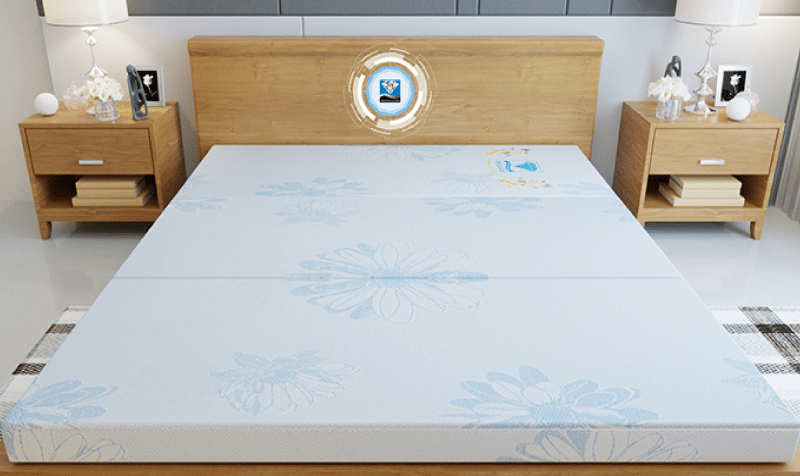
- Nệm bông ép Vạn Thành: Chất liệu bông tấm PE, vải bọc cotton có độ bền cao cùng thời gian bảo hành lâu.

- Nệm bông ép Everon: Thương hiệu nổi tiếng của Hàn Quốc làm từ chất liệu bông tấm PE an toàn tuyệt đối cho sức khoẻ, đa dạng về kiểu dáng và kích thước để phù hợp với nhiều không gian phòng ngủ.
VII. Hướng dẫn cách sử dụng, vệ sinh nệm bông ép
Nệm bông ép tốt không còn tùy thuộc vào việc người sử dụng có biết cách giữ gìn, bảo quản và vệ sinh đệm hay không. Để chiếc nệm bông ép có độ bền đẹp lâu, bạn hãy lưu lại cách sử dụng và vệ sinh sau đây:
1. Cách sử dụng
Nệm bông ép có độ bền không cao nhưng nếu sử dụng đúng cách thì tuổi thọ lên tới 4 đến 5 năm, thậm chí là 8 năm. Bí quyết là:
- Đặt trên bề mặt bằng phẳng để tránh gây biến dạng, hư hỏng.
- Sử dụng 3-6 tháng thì xoay lật vị trí các tấm nệm để giảm áp lực, tránh bị lún tại một vị trí nằm.
- Đặt ở nơi thoáng khí, tránh nơi ẩm ướt, không phơi nắng trực tiếp chiếu vào bề mặt.
- Không đặt gần những thiết bị tỏa nhiệt có nhiệt độ cao.
- Không tự cắt, thay đổi kích thước.
- Không dùng bàn là/ủi trên bề mặt.
- Không đặt trực tiếp xuống nền nhà mà nên sử dụng tấm lót hoặc đặt trên giường.
- Tránh xa chất dễ gây cháy nổ.
- Bảo quản theo hướng dẫn của nhà sản xuất.
2. Cách vệ sinh nệm bông ép
Nệm bông ép tốt không cũng tùy thuộc vào việc vệ sinh nệm có đúng cách hay không. Khi vệ sinh nệm bông ép, bạn cần chú ý:
- Đối với phần áo bọc nệm: Ngâm trong dung dịch có hòa tan xà phòng, vò bằng tay hoặc giặt máy ở chế độ nhẹ rồi phơi ở khu vực thoáng khí, có nắng nhẹ.
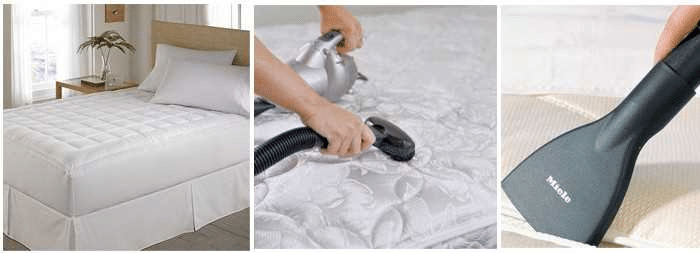
- Đối với phần ruột nệm: Vệ sinh lõi bằng máy hút bụi hoặc dùng khăn phủi bụi trên bề mặt, đem phơi ở nơi khô ráo, thoáng gió, không phơi trực tiếp dưới nắng.
- Vệ sinh vết bẩn trẻ nhỏ tè dầm: Dùng máy sấy nguội sấy qua cho khô, nếu nệm dày thì dùng khăn bông thấm bớt nước rồi dùng cồn đổ vào chỗ ướt để khử khuẩn, cồn sẽ nhanh khô tự nhiên.
- Vệ sinh vết bẩn là máu: Bôi oxy già trực tiếp lên vết bẩn rồi đem phơi nơi thoáng gió hoặc dùng máy sấy nguội.
- Vệ sinh vết bẩn từ thực phẩm và nước giải khát: Dùng hỗn hợp dung dịch 1 thìa nước rửa bát cùng 2 bát nước lạnh, thấm ướt khăn rồi chà nhẹ lên vết bẩn cho đến khi vết bẩn biến mất, làm sạch lại bằng khăn sạch thấm nước lạnh, cuối cùng dùng máy sấy hoặc đem phơi khô.
3. Lưu ý khi vệ sinh nệm bông ép

Khi vệ sinh nệm bông ép nhiều người mắc sai lầm dưới đây, có thể làm hỏng cấu trúc nệm khiến nệm bị giảm tuổi thọ:
- Dùng nước xịt mạnh vào ruột nệm để giặt sạch: Hạt bông xốp dễ bị xẹp khi gặp nhiều nước, gây biến dạng, xẹp lún khó khôi phục bề mặt phẳng ban đầu.
- Dùng gậy đập vào bề mặt nệm để bụi bẩn bên trong bay ra: Tác động lực mạnh, gây tình trạng lún võng cho sản phẩm.
- Phơi nắng để đệm nhanh khô: Tác dụng nhiệt lớn, nóng, khiến các sợi PE dễ biến dạng, xẹp lún.
VIII. Mua nệm bông ép hãng nào tốt? Địa chỉ mua uy tín
Để chọn mua được nệm bông ép tốt nhất, hãy đến với xưởng chăn ga gối đệm khách sạn uy tín, chất lượng Jolie’Fam. Đơn vị chuyên sản xuất và phân phối những loại như nệm cao su thiên nhiên, nệm lò xo, nệm foam và nệm bông ép. Trong đó, sản phẩm nệm bông ép của chúng tôi được khách hàng ưa chuộng trong nhiều năm qua.

Về chất lượng, đến với Jolie’Fam, bạn không cần phải lo lắng nệm bông ép tốt không. Chúng tôi cam kết và bảo hành cho bạn về chất lượng sản phẩm. Ngoài ra, nệm bông ép của Jolie’Fam rất tiện dụng và có giá gốc tại xưởng, phù hợp với điều kiện tài chính của nhiều người tiêu dùng. Đơn vị cung cấp đầy đủ chế độ bảo hành, hậu mãi hấp dẫn đến cho khách hàng. Bạn chỉ cần liên hệ với chúng tôi, xưởng sẽ giao hàng nhanh trong vòng 2-5 ngày trên phạm vi toàn quốc. Nhận hàng, Quý khách được kiểm hàng, nếu phát hiện hàng giao không đúng mẫu được phép đổi trả miễn phí trong vòng 7 ngày.
Hy vọng với những thông tin chia sẻ trên sẽ giúp bạn biết được nệm bông ép tốt không Liên hệ Jolie’Fam để được tư vấn cụ thể và đặt nệm với giá ưu đãi nhất ngay hôm nay.
Thông tin liên hệ:
- Cửa hàng: Số 21 Ngõ 562 – Lĩnh Nam – Hoàng Mai – Hà Nội
- Xưởng sản xuất: Số 551 Lĩnh Nam – Hoàng Mai – Hà Nội
- Số điện thoại: 0828686866
- Email: Joilefamvietnam@gmail.com
- Zalo: https://zalo.me/0828686866
- Website: https://joliefam.vn/

